

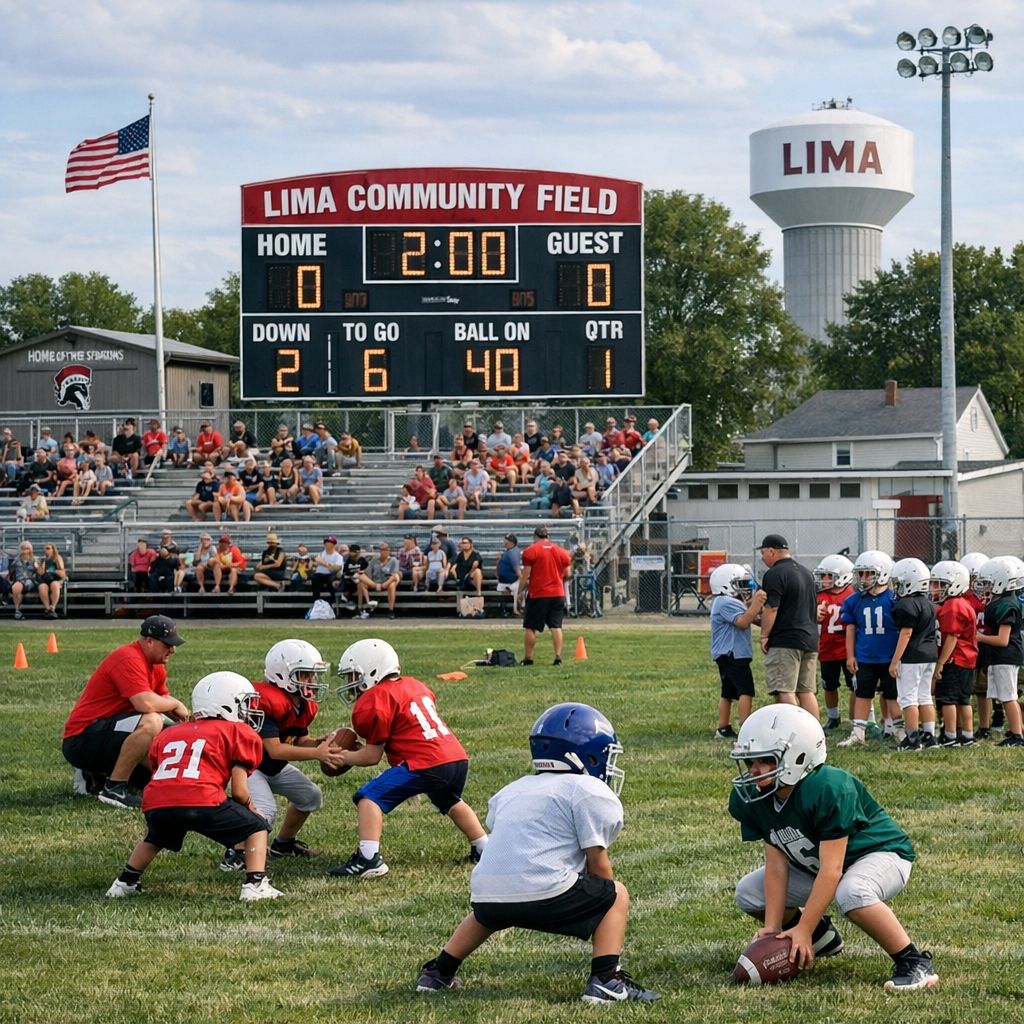
In Lima, the pulse of sport isn’t just in the roar of big stadiums but in the everyday rhythm of barrios, high schools, parks and community centers. From youth academies to grassroots leagues, this city is cultivating both passion and potential—and offering spaces for all to take part.
Public programs shaping the next generation
The municipal program Escuelas Deportivas, managed by SERPAR, provides affordable training in multiple disciplines. With a monthly fee of around S/ 40, kids and teens can access quality coaching in football, volleyball, basketball and martial arts across zonal clubs like Manco Cápac, Huáscar and Flor de Amancaes, among others. These schools operate in many Lima districts, offering slots from Monday to Saturday.
Outside school hours, these programs fill a critical gap, offering healthy routines, structured activity and role models in neighborhoods where private academies are financially out of reach.
Festivals and inter‐district competitions
The Instituto Peruano del Deporte’s Festival Intersedes 2026 is a good example of Lima’s commitment to mass participation. The event brought together youth from across the city—in categories ranging from 6 to 17 years old—in more than 30 sports, including adaptive disciplines. Through competition and display alike, it seeks to identify and support grassroots talent, while promoting inclusion.
Clubs and amateur leagues: where sport lives year-round
For many young athletes and everyday enthusiasts, amateur leagues like InterClubesPerú offer sustained opportunities to train, compete and connect. More than 40 clubs participate in this league, playing matches year-round and emphasizing fair play, community, and athletic growth.
Infrastructure and access: the frame that holds it all
The Villa Deportiva Nacional (VIDENA) in San Luis remains one of Lima’s principal sport hubs. Hosting national teams and multiple federations, it is a focal point of elite and developmental sport. Meanwhile, public parks and zonal clubs—managed by SERPAR and local municipalities—ensure that access to courts, fields, and facilities is widespread even outside Lima’s wealthiest districts.
Challenges and gaps to bridge
Despite strong public programs, resource limitations remain. Some districts have fewer sports school options or less infrastructure investment. Traffic and distance can limit participation. High school and college sports are often underfunded compared to their professional counterparts. And ensuring equal opportunities for girls, rural migrants or economically marginalized youth still demands sustained commitment and policy action.
Why it matters beyond trophies
Sport in Lima does more than produce champions—it builds community identity, discipline, inclusion, and pride. Whether it’s a teenager training in volleyball, a school league match, or a family afternoon at a zonal club, these threads weave a social fabric anchored in mutual respect and hope. The promise of sport here is not just in podiums but in the lives changed.
Looking ahead: Fans, parents and neighborhood leaders can support Lima’s sports future by advocating for investments in under-served districts, volunteering with local clubs, or simply showing up—at youth games, amateur league matches, school tournaments. Every bit of support turns opportunity into real change.